Irini Georgi

What does it mean when someone does not have capacity?

It’s when someone wants you and cares about you, but they can’t. This is one of the hardest situations in relationships. Because you can see that the problem isn’t indifference. You see it when they look at you, when they show you tenderness, when you pull away and they tell you, “I missed you.” That’s why it confuses you so much.

Because someone can care about you and still not be able to. They may not have the capacity to love you consistently, long-term, in a way that makes you feel safe, in a way that allows you to relax and let go because you know they’ll be there.

Yes, they can care about you and still not be able to.

They care, but:

  • They pull away or shut down when you open up.
  • They avoid difficult conversations.
  • They shut down when there is too much emotion in the room.
  • They become defensive when you express pain or a need, interpreting it as an attack or accusation.
  • They disappear instead of sitting down and repairing the rupture.

So you’re left holding two truths:

“They love me, but they can’t give me the love I need.”

It doesn’t mean the feelings aren’t there.

But that person may only be able to be there for you in the happy moments, when the atmosphere is light. When you’re smiling, when you’re your pleasant, easygoing self, when you’re not asking for anything difficult or “too much.” When you don’t have many demands, when being with you is easy and convenient.

Not when you’re silent. Not when you’re hurting. Not when you need them to be present in the difficult, uncomfortable moment. Not when change needs to happen.

It doesn’t mean they’re a bad person. Truly, they may care about you deeply. But that doesn’t necessarily mean they have the skills, self-awareness and emotional maturity needed for a healthy relationship to thrive and be sustained.

It’s much easier to love someone in the good moments. Much harder to remain there in the not-so-good ones.

What destroys us:

The hardest relationships, the ones that destroy us the most when they end, aren’t the ones where there is no love. They’re the ones where there is love, but there is no capacity. There isn’t the ability for one person to tolerate difficult emotions and the transformative work that needs to happen within a relationship for it to work and evolve.

But because there is love, you see glimpses of the potential. Of what you could have, if only the other person could. You see the good days, the care, the effort, the tenderness, the embrace, the right words they sometimes say, and which mean everything to you. But they don’t last.

Those moments when you almost have it.

And you hope that from now on, this will be your everyday reality.

But it isn’t.

Love matters, but love alone isn’t enough. It also requires the courage to be vulnerable, accountability, repair, consistency, consistency, consistency.

Because they may care about you and love you, but they may not be able to love you in the way you need to be loved.

The tragedy of relationships is that someone can genuinely have feelings for you and still not have the capacity to choose you. These two things can coexist in the same person, and that’s what makes being involved with emotionally unavailable people so painful.

Were they “selling” you a future they never intended to give you? Maybe. But future faking implies a degree of conscious deception: someone presenting you with a future they know they have no intention of creating with you. But they may genuinely have believed everything they were telling you at the moment they were saying it. And that is actually a very common, if more complicated, version of what happens.

They may have loved you. Or they may have believed they loved you. But feelings aren’t enough. Love is a daily choice and a daily action.

And one of the hardest lessons in love is learning to stop evaluating people based on the intensity of their feelings and start evaluating them based on the clarity of their choices.

They may love you. They may miss you. But that isn’t enough. And so you grieve something that may have been emotionally real, but was never truly available as a relationship.

Because sometimes the most dangerous relationships aren’t the ones in which nothing was real. They’re the ones in which enough things were real for you to keep hoping.

And at some point, you have to stop asking:

“Did they really love me?”

The answer may be yes.

But the better question is:

“Were they actually willing and able to build a life with me?”

Believe the answer they give you with their life, not the one they occasionally send you in a message.

If you want to talk about what’s happening in your new relationship or dating situation, and how you can change the dynamics in the way you communicate with each other, so that the dynamic itself can change, I can help. Fill out the form and I’ll get in touch with you shortly.

Note on capacity

The text is written as though men are the only ones who lack capacity, even though that obviously isn’t true. However, it is true that the way men are raised within patriarchy can prevent them from developing emotional range and emotional resilience — meaning the ability to tolerate emotions, and therefore how much they are able to give and “hold” emotionally.

Share:

What dating apps really have to offer

Dating apps entered our lives within the last decade. Online dating already existed through social media or dating websites (mainly in the U.S.), but apps made the whole thing far more accessible and widespread, because you literally have them in your hand all day through your phone.

What they offer us is choice. It’s like being in ten or a hundred bars every night, while sitting at home in your pajamas. That didn’t exist before. You had to seize the moment when you were out and actually make a move, otherwise you’d have to wait until next Saturday night.

Dating apps also brought what we call an intentional approach to dating, that is, the ability to date with purpose, something people have always wanted, but couldn’t easily do before on their own initiative.

You couldn’t just decide to go on a date because you felt like it; you relied on introductions through family (matchmaking), community, or church. In short, dating apps are a valuable tool, as long as you learn to use them safely, responsibly, and a little cleverly.

But it’s important to note: through apps you meet people. You don’t date them. In reality, they’re introduction apps. You meet another human being, the app simply does the introduction. “Romeo, this is Juliet. You both enjoy drinking latte and going for walks. Good luck.”

Once you’ve met the other person, whatever relationship develops between you becomes something self-standing, completely independent from the app. It’s important to understand this, because very often people find excuses for themselves and justify their behavior in app-based connections, avoiding accountability.

But really, people we meet on the apps aren’t different from people we meet elsewhere. We owe them the same level of respect we owe to anyone in “real life”.


Why does Gen Z seem to use dating apps less than previous generations?

First, there’s a common saying about dating apps:

“Everyone hates them but everyone’s on them.”

As for Gen Z, part of the phenomenon has to do with the world they inherited, which unfortunately isn’t the same as the one previous generations grew up in.

Repeated economic crises, the pandemic, the housing crisis, growing conservatism, the collapse of dreams and expectations, and a general sense of hopelessness about the future, all of these have contributed to what we now call the male loneliness epidemic.

These factors make this generation operate under a cloud of uncertainty, unsure whether they’ll ever live what we once called a “conventional life”, with a house, family, and children.

That can lead to a kind of resignation in the search for partners, especially among men who still identify with the traditional gender role of being the provider.

On the other hand, this generation, the dating app natives who grew up with the apps, are also in a position to reject them.

A more progressive segment doesn’t want to depend on tech giants (broligarchs), algorithms, or the AI that has now entered the dating space. They crave more authentic interactions, not mediated by technology.

(A more conservative segment, on the other hand, wants to get married at 22, with trends like “trad wife”, and some young women’s dream is to stay home baking bread and raising children),

Meanwhile, studies record “swiping fatigue”, meaning exhaustion from constant app use, from superficial connections, and from the vicious cycle of situationships that often emerge through them.

We also see a longing for something more meaningful, a nostalgia for something they never really experienced, like the “meet-cutes” of 90s romantic comedies, those magical accidental encounters in real life, that tend to disappear.

There’s a connection to social media trends like “main character energy”, seeing yourself as the protagonist of your own movie and manifesting. In a way, these are coping mechanisms for a pretty dystopian reality, where the only answer and solution seems to be magical thinking.

It all comes back to something I often tell my clients: You have to actually do something to meet new people. You can’t expect a gorgeous neighbor to knock on your door asking to borrow a cup of sugar, or to find the love of your life in your fridge. Unfortunately, life isn’t a rom-com.

If you want to learn how to use dating apps the right way, I can help you build your ideal dating profile with the right photos and a bio that represent you in the most flattering, authentic way. Fill out the form and we’ll take it from there!

Share:

How to get out of a situationship

I often talk to women who tell me about someone they’ve met, maybe they’re in a situationship, or he’s “not ready for a relationship,” or he’s avoidant, emotionally unavailable, “doesn’t want to complicate things,” or he breadcrumbs them, offering merely crumbs of attention, texting now and then, or they spend time together and then he disappears.

And on one hand, they know that what they’re living through is emotionally draining and that they should make the decision to end it, but on the other hand, they just can’t, because the connection with him was incredible.

I completely understand. When you can talk with someone and laugh all night, and the sex is great, it feels like you have everything. It feels insane not to be in a “real” relationship together. No one else makes you feel like this. It’s amazing when you’re together, and he says he doesn’t want to lose you or what you have. So why doesn’t he want exclusivity, or to see you more often, or make it official?

One moment you tell him you’ve had enough and it’s over, and he says he’ll miss you but he understands. Then you go back to him because he messages you or you miss what you had, or you think maybe you didn’t try hard enough to show him you’re The One, and if you just give it one more chance, he’ll finally realize it or be scared enough of losing you to commit.

You have to believe me: the right person for you is never someone who isn’t ready. Connection is wonderful but it isn’t everything. It’s not enough. It has to exist alongside with readiness, with willingness and intention to build something with you. Neither is enough on its own, you need both.

And sometimes, you may need to sacrifice the sizzling spark and the dreamy connection and settle for something that feels a bit less intense, but is sure to go further, because it has the time and space to grow and evolve.

So what else is there? If you need closure, send one final message. Say you’re stepping away and you want him to respect it, and don’t look back.

It’s the right decision, even if it hurts. (And it will). But you’ll think about it one day when you’re with someone who truly chooses you, and you’ll laugh. Or rather, you won’t think about it at all.

If your story isn’t quite over yet, and you believe there’s still a chance the relationship status could change, I can help you:

  • Analyze the facts and what’s really happened between you
  • Evaluate the signs and their meaning realistically
  • Decode his messages and see what’s hidden beneath words and actions
  • Regain control of the communication with calm and confidence, without extreme reactions or impulsive moves.

It’s crucial to know where you stand and to learn to send the right message at the right time.

We don’t pressure or manipulate people, we simply project our authenticity at our best, and invite the other person to meet us there.

If there’s real potential with this person, then with the right approach, we can greatly increase the chances of something healthy unfolding. But only if it’s truly right.

If you want to give this relationship one last chance, let’s work on it together. I don’t do magic, but it’s truly magical how much things can change with emotional maturity and clear communication. Fill in the form and we’ll talk!

Share:

How to avoid the Friendzone

Friendzone

How to avoid the Friendzone

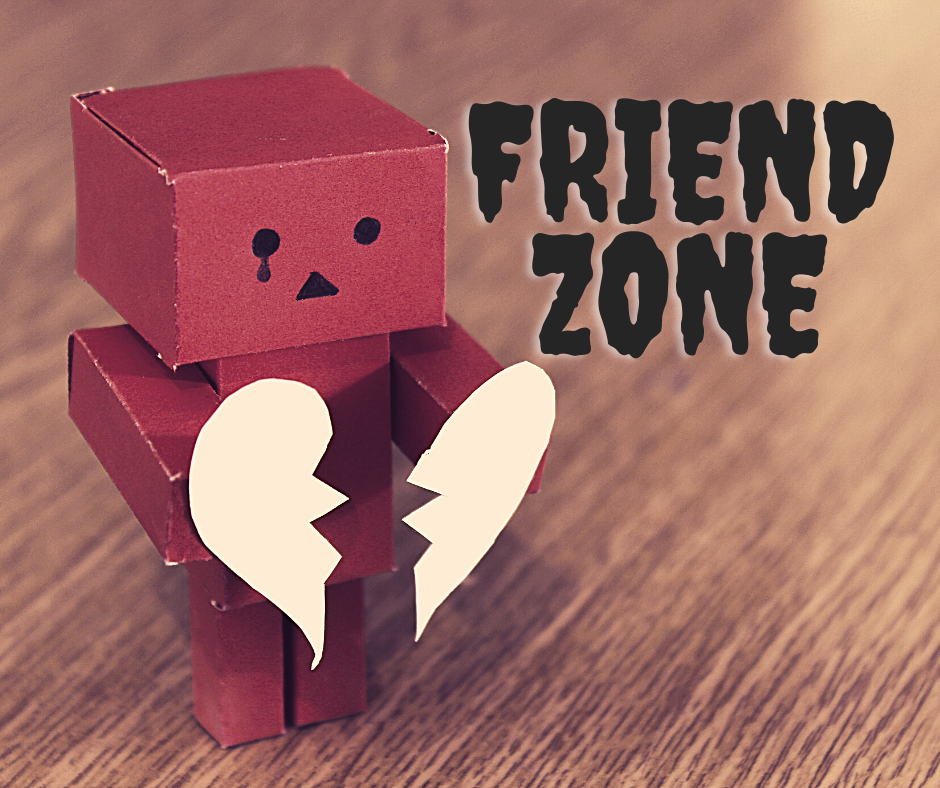
Feminism rejects the friend zone concept and rightly so, as it’s used by men who pretend they want to be friends with women they are attracted to, in order to enter their circle, gain their trust, wait until they’re feeling vulnerable and then try to get them to have sex with them. This is lying, manipulation, betrayal and, of course, misogyny. I’m not talking about this. What I am talking about, is the accidental friend zone, when you didn’t take action and show initiative early on, and then you find the momentum is gone. That said, here’s my advice.

1. Start as you mean to go on

Yes, it’s scary and you risk rejection, but you need to communicate your romantic interest sooner rather than later. This can help avoid misunderstandings and mixed signals, and show her you’re not just looking for friendship.

 2. Be clear but not creepy

Don’t stop being friendly and smiley, many men turn creepy when they want to express interest. Build a special connection, flirt, be funny, compliment her or, even better, tease her lovingly (meaning without impacting her self-confidence, it’s called benevolent teasing). Ask her out making sure she understands it will just be the two of you.

3. State your intentions

Expressing your feelings directly is the ultimate challenge. If you want to minimize the risk, try asking “have you ever wondered what we’d be like as a couple?” or say you had a dream that you two were kissing. You’ll judge if it’s a good idea to proceed by her reaction.

4. Respect her decision

If she doesn’t feel the same way about you, you have to accept her choice and respect her boundaries. You can do this by giving her space and focusing on yourself, on your hobbies, or meeting new people.

5. Time to move on

If you have feelings for someone, it’s very hard to stay away from them, especially if they seek out your company. But remember, if you like them romantically, it’s not friendship. You’ll be torturing yourself if you try to remain friends, and it will keep getting worse. Do yourself a favour and move on.

Share:

Apart from my TED talk, see me or listen to me speak:

See even more here

Book a session

© 2023 Irini Georgi

Share: